Materials
How to Choose the Right Materials for Your Home

Quick answer
Start with how a room is used, then choose materials that age well, feel good to touch and suit Pune's climate — and build your palette around three to five of them.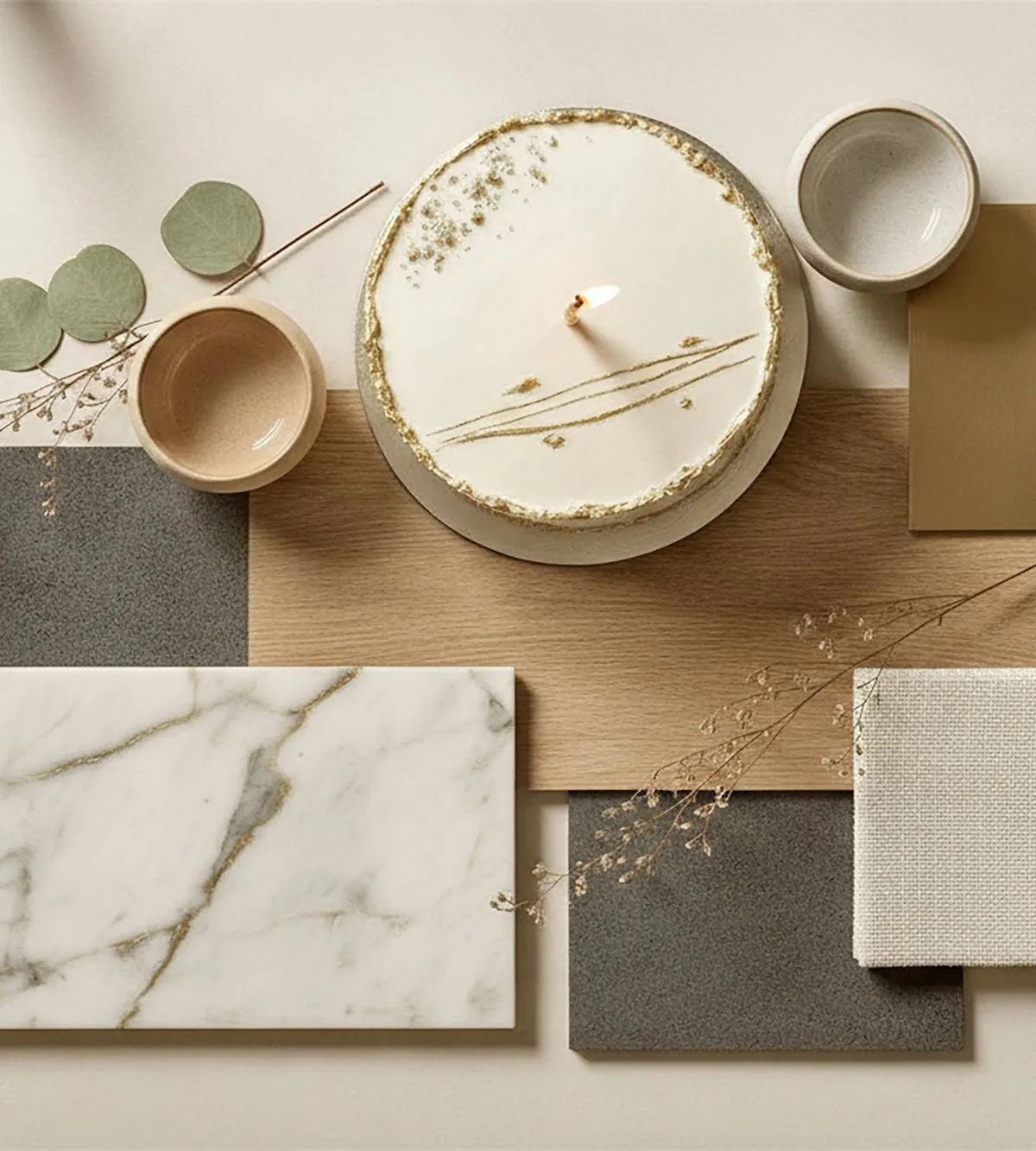
Table of contents (6 sections)
Materials decide how a home feels long after the paint smell fades. The right choices look better every year; the wrong ones chip, stain or date quickly. Here is how we help clients choose.
Start with use, not looks
Before falling for a sample, ask how the surface will be used. A kitchen counter needs to handle heat, oil and knives. A bathroom floor needs grip when wet. A living room wall mostly needs to look and feel good. Match the material to the job first, then choose the finish you love within that list.
Choose materials that age well
Natural materials — solid timber, honed stone, lime plaster, linen, brass — develop character over time. Many high-gloss or printed finishes look best on day one and worse every year after. If a surface will be touched daily, pick something that can take a few marks gracefully.
Think about the climate
Humid monsoons and dusty summers are hard on some materials. Veneers need proper sealing, solid wood needs to be seasoned, and porous stones need impregnating sealers in wet areas. Ask your designer how each material will behave through a full year, not just in the showroom.
Build a palette of three to five
- One main floor material that runs through the home
- One timber tone for joinery and furniture
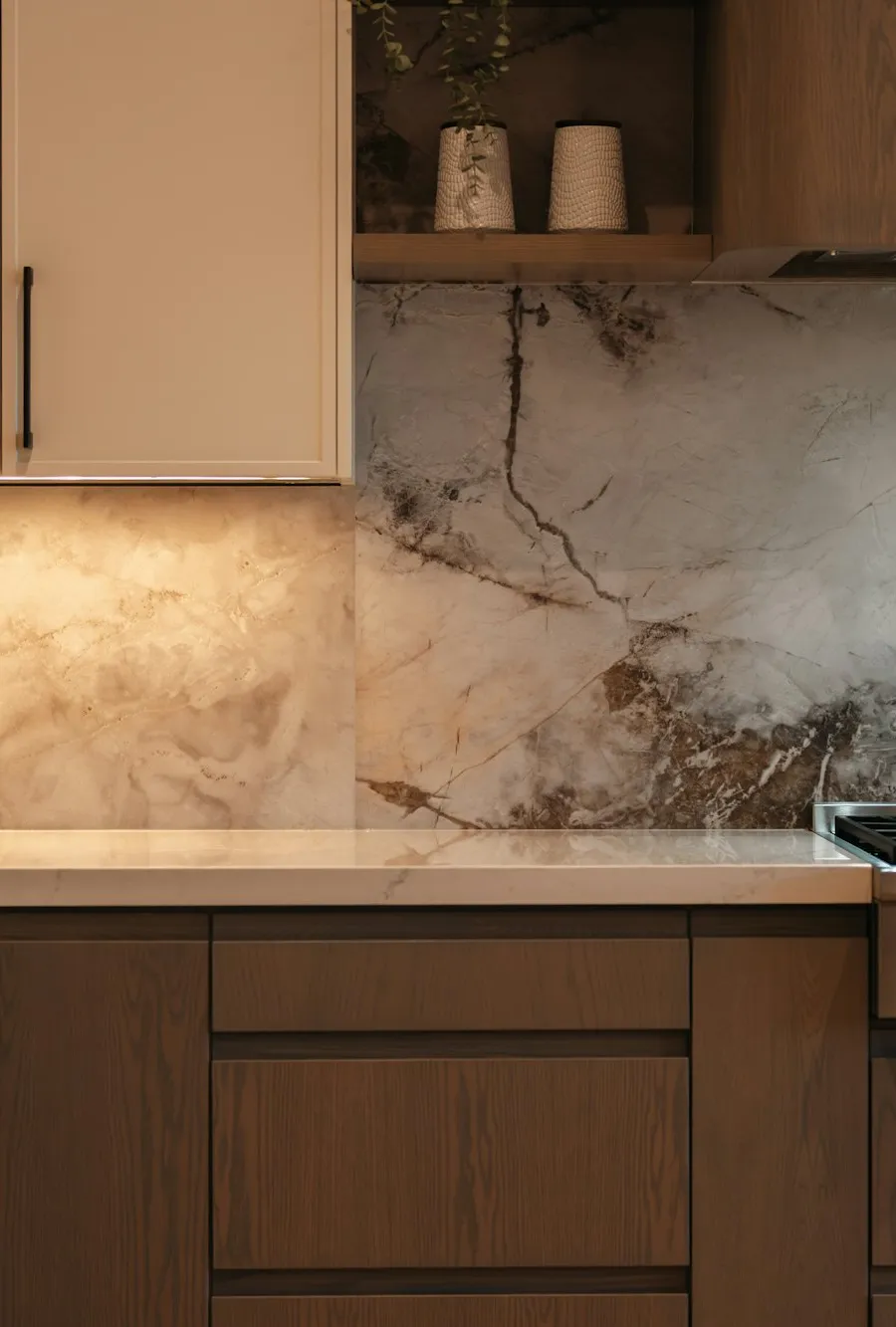
- One stone or solid surface for counters and vanities
- One wall finish, plus one accent — a colour, metal or tile
Fewer materials, used consistently, make even a large home feel calm and connected.
Always see samples in your own light
Colours shift dramatically between a showroom and your north-facing bedroom. Take samples home, look at them in the morning and at night, and place them next to each other on the floor, not just in your hand.
Frequently asked questions
Is natural stone better than quartz for kitchens?
Both work well. Quartz is more stain-resistant and consistent; natural stone is unique and ages beautifully but needs sealing. Choose based on how you cook and how much patina you enjoy.
How many materials are too many?
If you can't describe your palette in one sentence, it is probably too many. Most homes look best with three to five main materials.